Exploring the psychology of gambling: What drives players?
The Thrill of Uncertainty
The allure of gambling often stems from the unexpected outcomes it presents. When players engage in games of chance, they experience an adrenaline rush fueled by the uncertainty of winning or losing. This unpredictability creates excitement that can be more appealing than the actual monetary stakes involved, especially when considering options like ontario casino fast withdrawal that enhance the overall experience. The thrill of not knowing the outcome becomes addictive for many, as the brain’s reward system lights up in anticipation of a potential win. This excitement can draw players back to the gaming environment repeatedly, as each session holds the promise of an exhilarating experience.
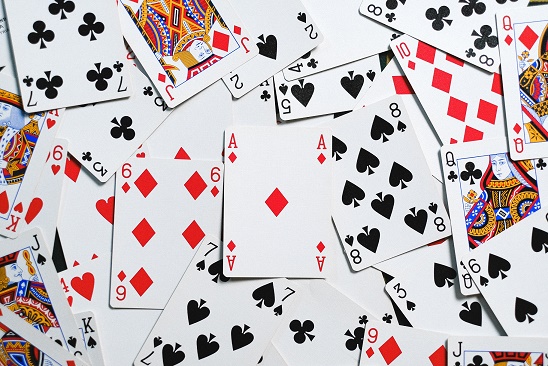
Furthermore, this thrill can trigger a release of dopamine, the neurotransmitter associated with pleasure and reward. Players often associate this chemical rush with victories, reinforcing the desire to play repeatedly. The moment of anticipation before revealing a hand or rolling the dice can nearly match the joy of winning itself. This explains why players might return to gamble even after experiencing losses, as the psychological reinforcement of this thrill can create a cycle that is difficult to break. The highs and lows of gambling experiences provide an emotional rollercoaster that many find irresistible.
Moreover, the uncertainty of gambling often mirrors the unpredictability of life itself. Many individuals find comfort in playing games that offer them a semblance of control over unpredictable outcomes. By engaging in gambling, they may feel empowered or skilled in navigating their luck, which can serve as an escape from daily stresses. This psychological mechanism can explain why some individuals become drawn to the casino environment as a refuge from reality. The act of placing bets can become a way for players to cope with feelings of helplessness in other areas of their lives, allowing them to momentarily escape their troubles.
The Influence of Social Interactions
Gambling is not just an individual activity; it has a strong social component that greatly influences players’ behavior. Whether in a physical casino or online, the social dynamics of gambling can enhance the experience and motivate continued participation. Players often enjoy the camaraderie, competition, and shared experiences that come from gambling with friends or strangers, making it a communal event rather than a solitary one. This shared experience can amplify the excitement of winning and the comfort of losing, creating a more profound engagement with the activity.
Additionally, peer pressure and social norms play significant roles. Players may feel encouraged to gamble more or take higher risks when they are in the company of others who are also playing. The collective atmosphere, filled with cheers and excitement, creates a sense of belonging, which can lead to increased stakes and more aggressive betting behavior. For many, the social aspect of gambling makes it a highly engaging and enjoyable pastime. Celebrating wins together or commiserating over losses can strengthen connections among players, enhancing their commitment to the gambling scene.
The interaction with fellow players can create a sense of community and shared excitement that motivates individuals to return. This bond, formed over games, can boost a player’s self-esteem and provide validation, especially if they share their wins. Social media and online platforms further amplify this element, allowing players to share their experiences, strategies, and wins with a broader audience. This sharing can create an echo chamber of excitement and engagement, further fueling the desire to participate in gambling activities regularly.
The Role of Cognitive Biases
Cognitive biases significantly affect gambling behavior, often leading players to make irrational decisions based on misconceptions about odds and randomness. One common bias is the “gambler’s fallacy,” where players believe that past outcomes will influence future results. For instance, if a player observes that a particular number hasn’t come up in a while, they may irrationally assume it is due to hit soon, despite the game’s underlying randomness. Such biases can result in a prolonged engagement in gambling activities, as players chase perceived patterns, often leading to significant financial losses.
Another cognitive bias is the illusion of control, where players believe they can influence outcomes through skill, despite the chances being purely random. This belief can lead individuals to partake in riskier bets, as they overestimate their influence on the game’s outcome. It creates a compelling drive to keep playing, as players may attribute wins to their skills rather than chance. This misunderstanding can make the gambling experience seem more favorable, further reinforcing their gambling behavior and sometimes leading to severe financial repercussions.
Recognizing these cognitive biases provides insight into why many people struggle with gambling problems. When individuals believe they can control their fate or misinterpret the laws of probability, it can result in compulsive gambling behavior. Education and awareness about these biases are crucial for responsible gambling initiatives, helping players make more informed decisions and reduce the risk of addiction. By understanding the psychological underpinnings of their behavior, players can learn to approach gambling more critically and responsibly.
Addiction and Behavioral Patterns
The psychological factors that drive gambling also intersect with addiction, making it a complex issue. The thrill of initially winning can create a powerful psychological reward that reinforces the desire to gamble. Over time, this can develop into a compulsive behavior where individual players find it challenging to abstain, despite adverse consequences in their personal and financial lives. Understanding the behavioral patterns associated with gambling addiction is essential for treatment and prevention efforts, as it highlights the need for targeted interventions.
Many people who become addicted to gambling report using it as a coping mechanism for stress and emotional pain. They may turn to gambling as a way to escape their problems, which can create a vicious cycle. The temporary relief or euphoria from gambling can be overshadowed by feelings of guilt and shame following losses, thus driving them to gamble again in hopes of recuperating their losses. This cycle is not only damaging financially but is also detrimental to mental health, often leading to deeper issues such as anxiety and depression.
Recognizing the signs of gambling addiction is vital for individuals and their loved ones. Warning signs such as borrowing money, neglecting responsibilities, and withdrawing from social engagements can signal the onset of a gambling problem. Support systems, including counseling and gambling support groups, are crucial in addressing these issues. They can provide much-needed guidance and resources to help individuals regain control over their gambling behavior and find healthier coping strategies. By fostering a supportive environment, those struggling with gambling addiction can begin to heal and recover.
Understanding Online Gambling Dynamics
The rise of online gambling has transformed the landscape of gambling psychology, introducing new dynamics that can amplify existing behaviors. With the accessibility of online platforms, players can gamble anytime and anywhere, which can intensify the feeling of excitement and urgency. This convenience can lead to increased gambling frequency, as players may become more impulsive in their bets, further blurring the lines between recreation and addiction. The constant availability of online gambling can make it challenging for players to set boundaries, leading to potentially harmful habits.
Online gambling also utilizes sophisticated algorithms and design techniques to keep players engaged. Features such as flashing graphics, engaging sounds, and instant feedback can enhance the gaming experience and stimulate players’ emotions. These sensory elements are purposely designed to prolong gameplay and encourage higher betting, given the low barriers for entry in online environments. The thrill of immediate gratification can be significantly higher compared to traditional gambling settings, creating an environment where players may find it difficult to disengage.
Moreover, online platforms foster a sense of anonymity that can create a disconnection from the consequences of gambling. Players may feel less accountable for their actions and more willing to take risks when faced with their screens rather than fellow gamblers. This anonymity can lead to increased gambling behavior and a detachment from the reality of their losses, further complicating the understanding of the psychological drivers behind gambling in the digital age. As the online gambling landscape continues to evolve, it is essential for players to remain aware of their behaviors and the potential risks associated with this form of entertainment.